Embassy basics and appointments
The Royal Thai Embassy in Seoul is at 42 Daesagwan-ro, Yongsan-gu, Seoul (Hannam-dong). Its official website, seoul.thaiembassy.org, is in Thai and English. Most consular services, such as passports, are only provided to people who have booked in advance through the Thai Ministry of Foreign Affairs’ online appointment system (cas.consular.go.th). If you turn up without a booking you may not be served, so always book first.
Consular services run in morning and afternoon sessions on weekdays and are closed on the embassy’s holidays. Hours, phone numbers and closing days can change, so check the contact and holiday information on the website. The embassy also posts notices on its official LINE account and Facebook. If someone claiming to be from the embassy asks you for money, call back on the official number listed on the website to confirm.
Getting a new passport
A Thai passport is not extended; instead, a new passport is issued. Because biometric data (fingerprints, photo and iris scan) is taken, you must go in person on the date you booked. According to the embassy, adults usually bring their original Thai ID card, current passport and, if they hold a visa, their Korean residence card. Minors need extra documents such as parental consent, so check the relevant page on the website separately.
New passports are produced in Thailand and sent over, so it takes several weeks to receive one. The embassy recommends applying at least six months before your current passport expires. A new passport number can affect your Korean visa and alien registration details, your bank and your phone carrier, so make a list in advance of where you will need to update it.
If you lose your passport
If you lose your passport, you need to go through both the Korean procedure and the embassy procedure. First, report the loss at the nearest police station or police box and get a document confirming the report. The embassy asks for this police report when issuing a new passport; if you could not report it beforehand, they may ask you to fill in a statement form at your appointment. If you must travel to Thailand soon and cannot wait for a new passport, you can apply for a one-way Emergency Travel Document (ETD).
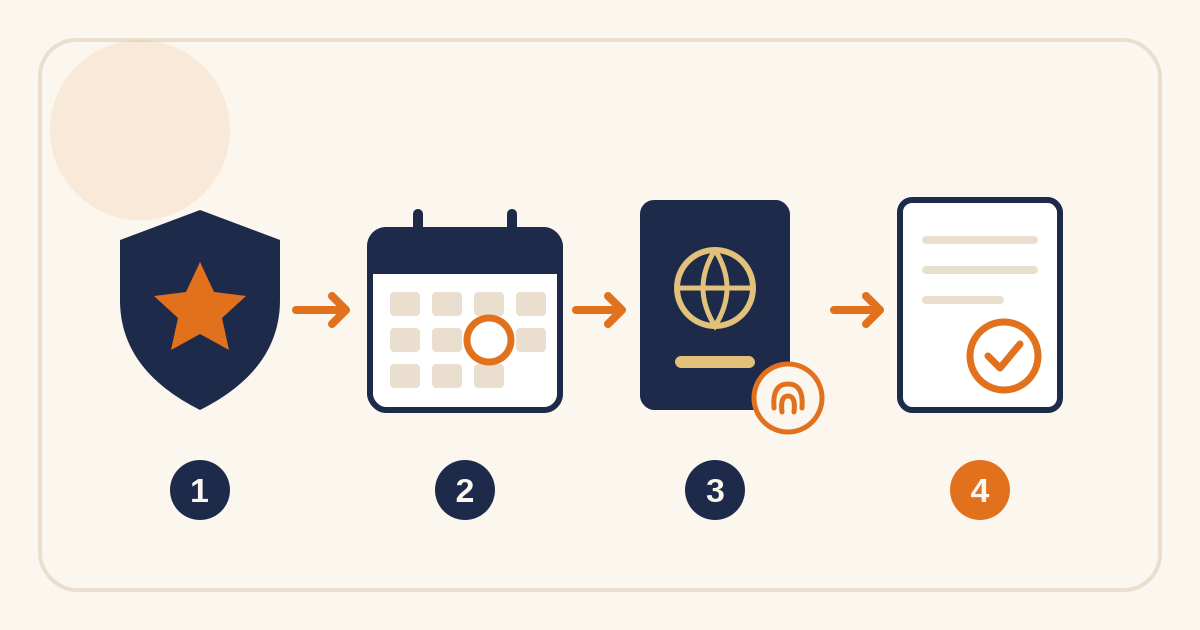
Once you receive your new passport, you must report the change of passport details to Korean immigration. Check the deadline and method with 1345 or on HiKorea. If you have overstayed in Korea, the embassy notes that you may need to file a departure report on HiKorea before leaving. The steps are summed up in the table below.
| Step | Where | What to do |
|---|---|---|
| 1 | Police station or police box | Report the loss and get a confirmation document |
| 2 | Online (cas.consular.go.th) | Book a visit for a new passport or an ETD |
| 3 | Royal Thai Embassy | Bring your ID card, police report, etc.; give biometrics |
| 4 | Immigration office / HiKorea | Report your new passport details |
Document legalisation and birth or marriage registration
To use a document issued in Korea in Thailand, there are usually two steps. First, get consular confirmation from Korea’s Ministry of Foreign Affairs (explained on apostille.go.kr), then have it legalised at the Thai embassy. The embassy says it only legalises documents bearing the Korean ministry’s seal, and that the seal must be recent. Booking rules for legalisation may differ from other services, so check the website.
If your child was born in Korea, you can register the birth at the embassy to obtain Thai nationality documents. The English birth certificate from the hospital must first be confirmed by Korea’s Ministry of Foreign Affairs, and the embassy warns that doing it on the same day may not leave enough time. Marriage, divorce and death can also be registered at the embassy, but the documents vary greatly depending on the couple’s nationalities and circumstances. Some services ask you to email your documents for checking after booking, so read each service page on the website carefully.
When there is an emergency
In an emergency such as an accident, arrest or detention, death or a major disaster, first make sure you are safe by calling Korea’s emergency numbers (112 for crime, 119 for fire and ambulance), then contact the embassy’s emergency line. The embassy website has a separate page on protecting Thai nationals with emergency contacts. The embassy can help, for example by contacting family or giving information about interpreters and lawyers, but it cannot settle Korean legal procedures for you.
If you have not been paid or are being treated unfairly at work, you can also get advice from the Ministry of Employment and Labor (1350) or the Immigration Contact Center (1345, Thai available during weekday daytime hours). Korean law forbids anyone, including employers, from taking or demanding your passport or residence card as security for a job contract or a debt, so if they will not give it back, report it to these offices. To share information with people in a similar situation, you can also use the K-lifeon board.